

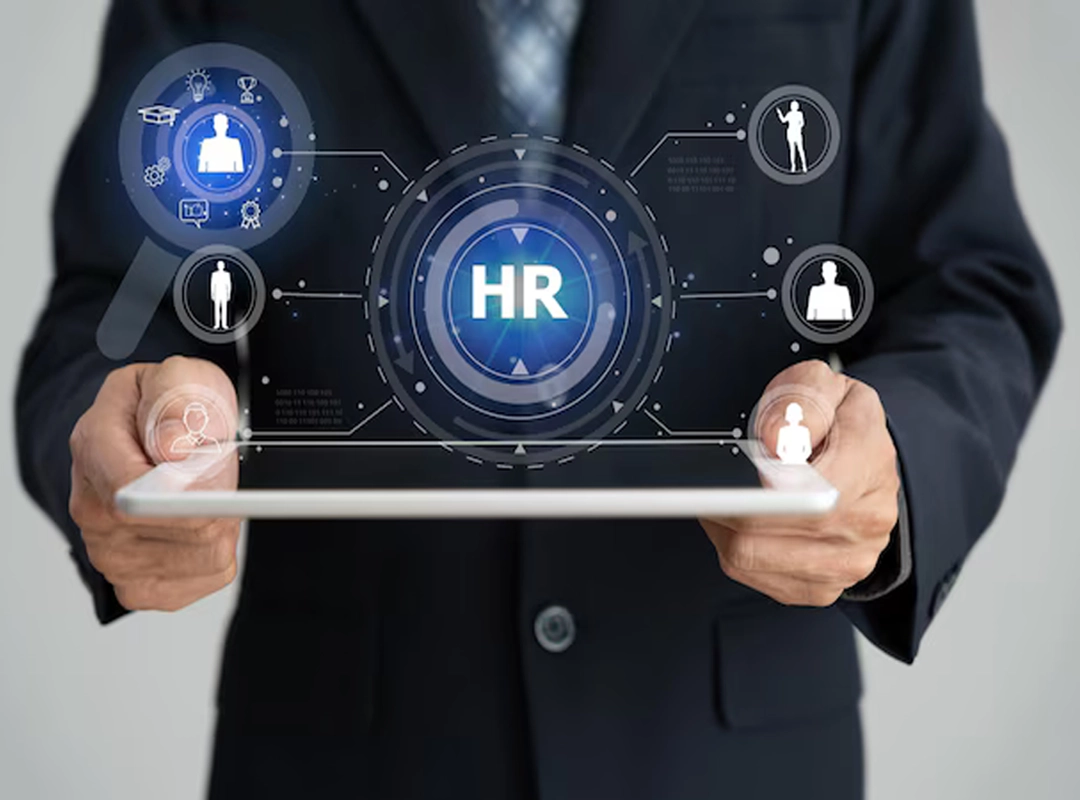
Today’s labor market is undergoing a rapid transformation driven by technological advancements and digitalization, making it essential for organizations to prepare their workforce for the jobs of the future. Technology is no longer just a supporting tool; it has become a core element in skill development, productivity enhancement, and creating new opportunities for innovation.
1. Continuous Learning and Digital Training
Technology provides platforms for continuous learning, such as:
- Online courses (E-Learning).
- Interactive simulations and practical training applications.
- Artificial intelligence programs that offer personalized learning recommendations for each employee.
These tools help the workforce acquire future-ready skills quickly and efficiently.
2. Developing Digital Skills
As reliance on technology grows, possessing fundamental digital skills has become essential, including:
- Data analysis and using AI tools.
- Managing information systems and specialized software.
- Understanding internet applications and basic programming.
Investing in these skills equips employees to handle the technological challenges of the future.
3. Leveraging Artificial Intelligence and Advanced Analytics
Technology enables organizations to:
- Predict future labor market trends.
- Identify gaps in required skills.
- Customize advanced training programs to address these gaps.
AI also helps analyze performance and guide employees toward the most impactful and productive areas.
4. Enhancing a Flexible Work Environment
Technology supports flexible and diverse work environments, including:
- Remote work and virtual collaboration.
- Digital project and team management platforms.
- Tools for real-time communication and interaction between teams.
This flexibility fosters innovation and improves the employee experience.
5. Promoting Innovation and Entrepreneurship
Technology allows the workforce to explore new ideas and transform them into actionable projects through:
- Platforms for developing digital applications and services.
- Digital modeling and simulation tools.
- Access to global networks of experts and resources.
This prepares employees to thrive in a future economy driven by knowledge and innovation.
Conclusion
Integrating technology into workforce development has become a strategic necessity for organizations aiming for future success and sustainability. Through digital learning, digital skill development, and the use of AI, employees can be effectively and efficiently prepared for the jobs of the future, ensuring their ability to adapt to the rapidly evolving labor market.